
Artemis II: A historic lunar mission with Airbus
Orion completes historic crewed lunar flyby

Powered by the Airbus-built Orion ESM
The historic Artemis II mission has successfully concluded, marking a monumental leap in human space exploration. NASA astronauts Reid Wiseman, Victor Glover, Christina Koch, and Canadian Space Agency (CSA) astronaut Jeremy Hansen have returned to Earth after their 10-day journey around the Moon.
As a key contributor in NASA's Artemis programme, Airbus is proud to have developed and manufactured the European Service Module (ESM) on behalf of the European Space Agency (ESA). Serving as the "powerhouse" of the Orion spacecraft, the ESM provided the crew with the essential propulsion, power, air, and water required for deep space survival.
Artemis II marks a significant milestone in human space exploration, paving the way for future lunar exploration missions.
The crew, the mission, the trip
Best of Artemis II mission
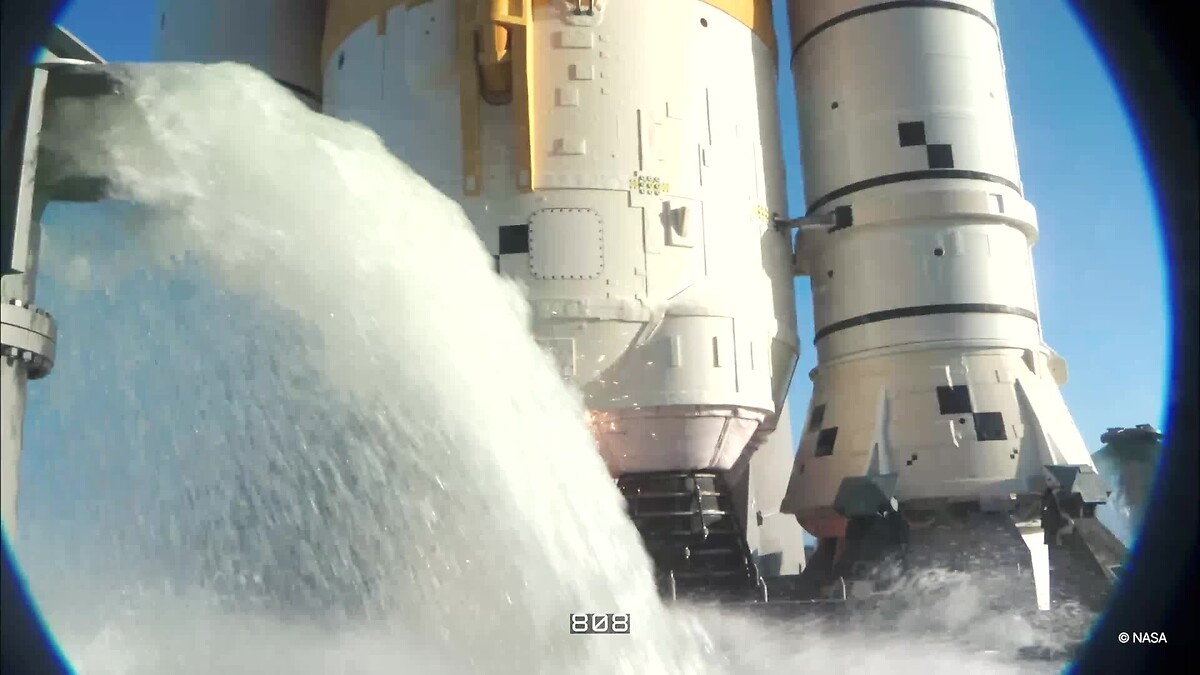 Best of Artemis II
Best of Artemis II
Artemis I to II: experience and collaboration
Artemis II built upon the success of the uncrewed Artemis I mission in 2022, successfully demonstrating the broad range of capabilities required for deep space missions.
While Artemis I provided invaluable data and insights, demonstrating the capabilities of the Space Launch System (SLS) rocket and the Orion spacecraft, it also confirmed the exceptional performance of the ESM in the harsh environment of deep space.
With Artemis II, those learnings were put into practice, rigorously testing the critical systems and procedures necessary to ensure the safety and health of the crew during their lunar journey.
As the first crewed mission to the Moon in over 50 years, Artemis II served as a crucial precursor to humanity's return to the lunar surface. Its success sets the stage for Artemis III, which will focus on docking and systems validation in Earth orbit. These milestones pave the way for Artemis IV in 2028—the mission slated to return astronauts to the lunar surface and establish a sustained human presence.
Artemis continues to demonstrate how collaboration between European partners and the USA advances technology for both space and Earth, benefiting all of humanity.

Orion infographic 16x9
Within the Artemis programme, NASA will use a European system to power and supply a human spacecraft mission for the first time, planning to return to the Moon with a crewed landing by 2028.
NASA´s Artemis II crewed mission builds upon the success of the uncrewed Artemis I mission in 2022, and will demonstrate a broad range of capabilities needed on deep space missions.
Under a European Space Agency (ESA) contract, Airbus is responsible for building the European Service Module (ESM), which both propels and manoeuvres the Orion spacecraft and provides the crew with air and water, as well as keeps the module at a comfortable temperature.


Artemis II astronauts in Bremen
Artemis II carried four NASA astronauts on a journey around the Moon
NASA astronauts Reid Wiseman, Victor Glover, Christina Hammock Koch and the Canadian Space Agency’s (CSA) astronaut Jeremy Hansen came back to Airbus in Bremen to meet the people who helped ensure their safe mission and return: the employees who designed and assembled the Orion spacecraft's European Service Module (ESM).
Artemis II journey explained
Artemis II is the first crewed mission of the NASA Artemis programme, carrying four astronauts on a 10-day journey around the Moon and back to Earth for the first time in over fifty years. The Orion spacecraft orbited Earth before embarking on its journey to the Moon, flying around our natural satellite and returning safely to Earth. During this flight, the crew tested the Airbus-built European Service Module (ESM) in real-world conditions, successfully validating its performance as the spacecraft's vital engine room and life-support system.

Artemis II mission journey
The Orion spacecraft will orbit Earth several times, then embark on a four-day journey to the Moon, fly around our natural satellite, and return to Earth. During this flight, the crew will test the Airbus-built European Service Module (ESM) in real conditions, validating its performance as the spacecraft's vital engine room and life-support system.


Artemis II: From Moon to Ocean Splashdown - Mission Accomplished! @NASA
@NASA
Artemis II: From Moon to Ocean Splashdown - Mission Accomplished!
11/04/2026 MILESTONES
The Artemis II mission concluded successfully on 11 April 2026 (UTC) with the safe splashdown of the Orion Crew Module in the Pacific Ocean. This milestone represents years of international collaboration and engineering excellence from Airbus teams across Europe.


Artemis II launch
Artemis II lifted off: Humanity returns to deep space
02/04/2026 - MILESTONES
NASA astronauts Reid Wiseman, Victor Glover, Christina Koch, and Canadian Space Agency (CSA) astronaut Jeremy Hansen took off from Kennedy Space Center, bound for the Moon. Discover how the Airbus-built European Service Module (ESM) supported the crew throughout this historic 10-day lunar flyby mission.


Artemis II mission - SLS rocket at launch pad, taken by Pleiades Neo
Artemis II rocket spotted at the launch pad
17/01/2026 - MILESTONES
The Artemis II launch drew near: Captured from orbit by our Pléiades Neo satellite, this high-resolution image shows the Space Launch System (SLS) rocket, carrying Orion and the Airbus-built European Service Module (ESM), at the launch pad at Kennedy Space Center. This view marked a significant step in the preparations for the Artemis II mission.


Artemis II mission - SLS rocket roll out, taken by Pleiades Neo
Roll-out of the Space Launch System
17/01/2026 - MILESTONES
Multi-hour roll-out of the SLS (Space Launch System) rocket and Orion spacecraft from the Vehicle Assembly Building to Launch Pad 39B at Kennedy Space Center.

Why we are going back to the moon
Discover why humanity is returning to the Moon and why it matters by clicking to read the full article!
-


Artemis II: From Moon to Ocean Splashdown - Mission Accomplished! @NASA
@NASA
-


Artemis II mission - SLS rocket roll out, taken by Pleiades Neo
-


Artemis II mission - SLS rocket at launch pad, taken by Pleiades Neo
-
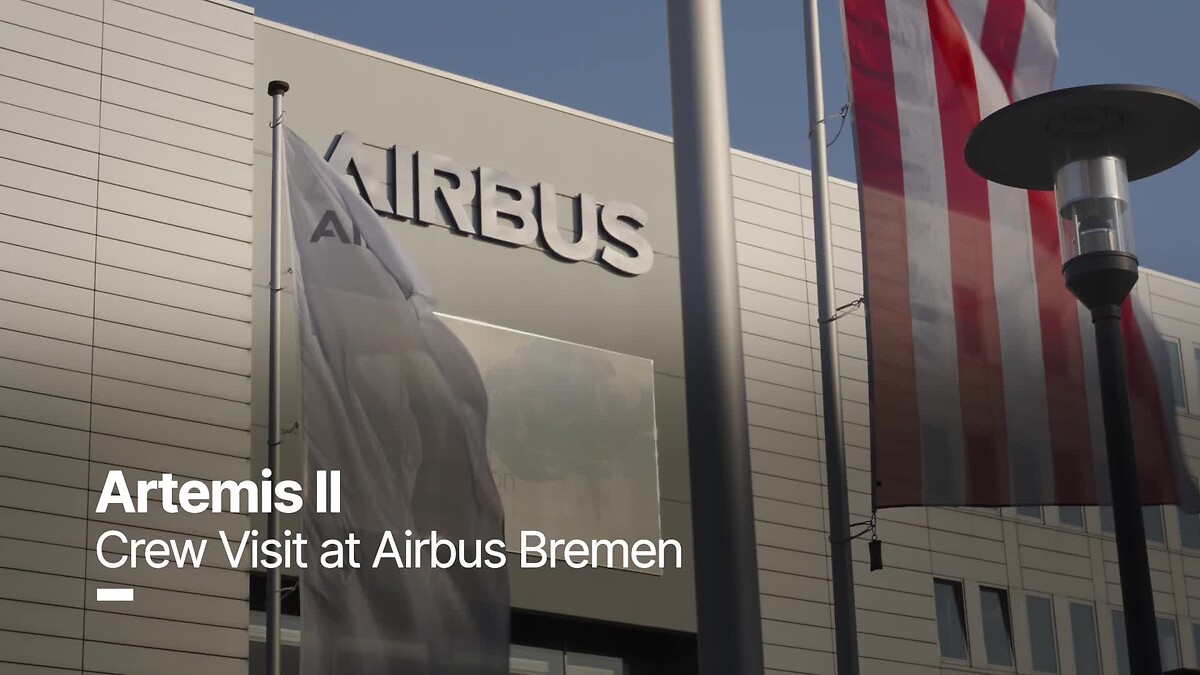
Artemis II - Crew visit at Airbus Bremen
Artemis II - Crew visit at Airbus Bremen
-


NASA astronauts
-


Orion-ESM-2
-


Orion ESM-2
-


Orion ESM-2
-


Orion ESM-2


Mission Watch: Artemis II in the Media
Global Coverage
- ARD (Germany): Artemis II - Back to the Moon
- NASA's Artemis II Crew Rollout Media Event
Artemis II Backgrounders
Backgrounders
EN-Airbus-SpS-Backgrounder-Artemis-II-Orion-ESM
DE-Airbus-SpS-Backgrounder-Artemis-II-Orion-ESM
ES-Airbus-SpS-Backgrounder-Artemis-II-Orion-ESM
FR-Airbus-SpS-Backgrounder-Artemis-II-Orion-ESM
Backgrounders
EN-Airbus-SpS-Backgrounder-Artemis-II-Orion-ESM
DE-Airbus-SpS-Backgrounder-Artemis-II-Orion-ESM
ES-Airbus-SpS-Backgrounder-Artemis-II-Orion-ESM
FR-Airbus-SpS-Backgrounder-Artemis-II-Orion-ESM
Related pages
-

Heart of the mission: Airbus-built ESM to power historic Artemis II crew to the Moon
The European service module, built by Airbus for ESA and NASA is at the heart of the mission and is ready to power the historic…
-
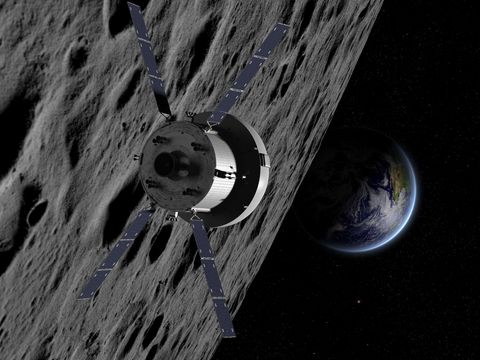
Orion European Service Module
NASA’s Orion will take humans back to the Moon. Airbus-built European Service Module provides propulsion, power, water and oxygen…
-

Moon missions
Our lunar mission solutions will enable humans to return to the Moon and establish a permanent presence on the lunar surface.


