
Defence and innovation: Why security matters for our future
When it comes to security, our armed forces and public safety personnel always have our backs. Their commitment shows that defence really matters.

The foundation of our freedom
Defence matters
The world is becoming increasingly volatile, and the nature of conflict is shifting. When threats evolve at lightning speed, a society’s ability to protect itself is its most vital asset.
Defence is the framework that gives our lives stability and enables us to live and speak freely. It is the bedrock of national sovereignty, ensuring our independence to make our own choices and giving our society the resilience to progress in the long term. Defence is always present, even if we don't directly notice it.
Above all, defence is a commitment to safeguarding our way of life, fending off aggression and preventing crises, always prepared and ready to respond. But while the notion of security is central, the defence sector also contributes in other ways, from strengthening the economy to driving technological innovation.
By pioneering cutting-edge defence technologies, Airbus provides the solutions vital for protecting nations against evolving threats. From military aircraft and helicopters to satellites and cybersecurity solutions, our innovations protect sovereign airspace, facilitate life-saving search and rescue operations, and help civil authorities to ensure public safety during emergencies.
What defence is all about
Defence and security in our everyday lives
Explore our interactive infographic to see how defence and security technology safeguards your everyday life. Click on each hotspot to discover how Airbus innovations, from advanced helicopters and satellite navigation to cybersecurity, protect our airspace, communities and digital frontiers worldwide.

A few examples

Airbus Defence Summit 2026
Access all Airbus Defence Summit content for an inside look at the strategic discussions shaping European aerial capabilities & advanced technology.
What does security mean to you?
-

260415 6 Maria
-

260415 6 Andreas
-
260415 4 Uli
-
260415 3 Victor
-

260415 2 Adela
-
260415 1 Rodrigo
Defence and security technology and why it matters
-
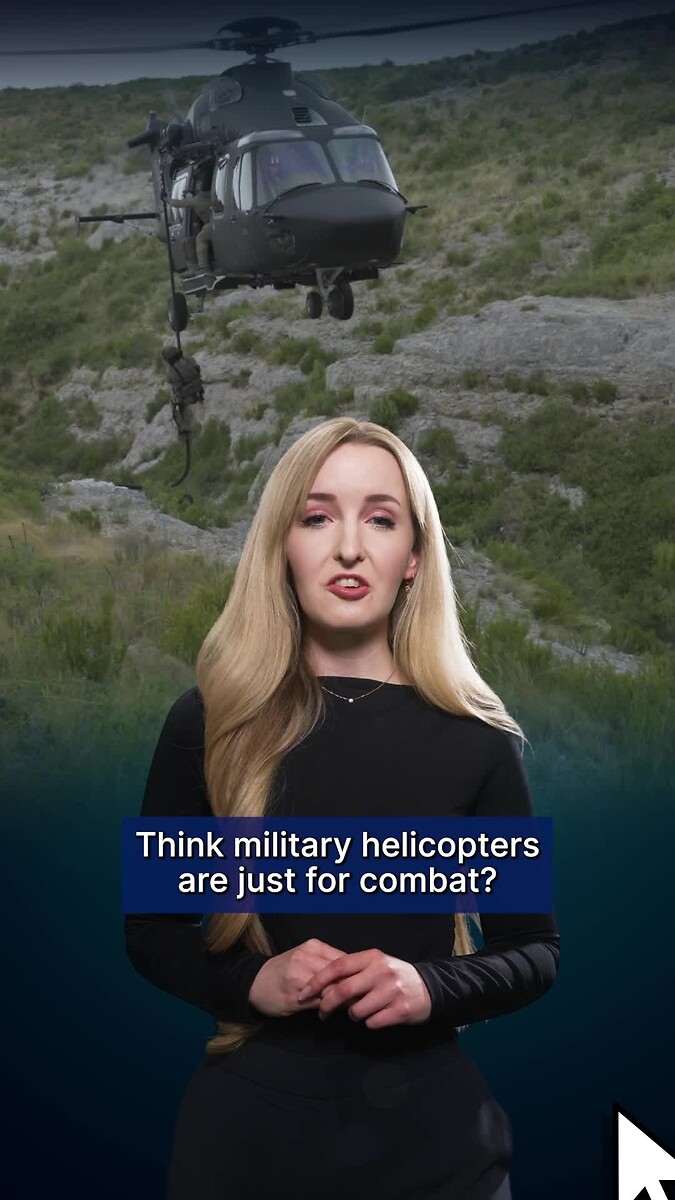 What does a military helicopter actually do?
What does a military helicopter actually do?
-
 Air Policing
Air Policing
-
 Spotlight on the Airbus H145
Spotlight on the Airbus H145
-
 A400M
A400M
A400M
-
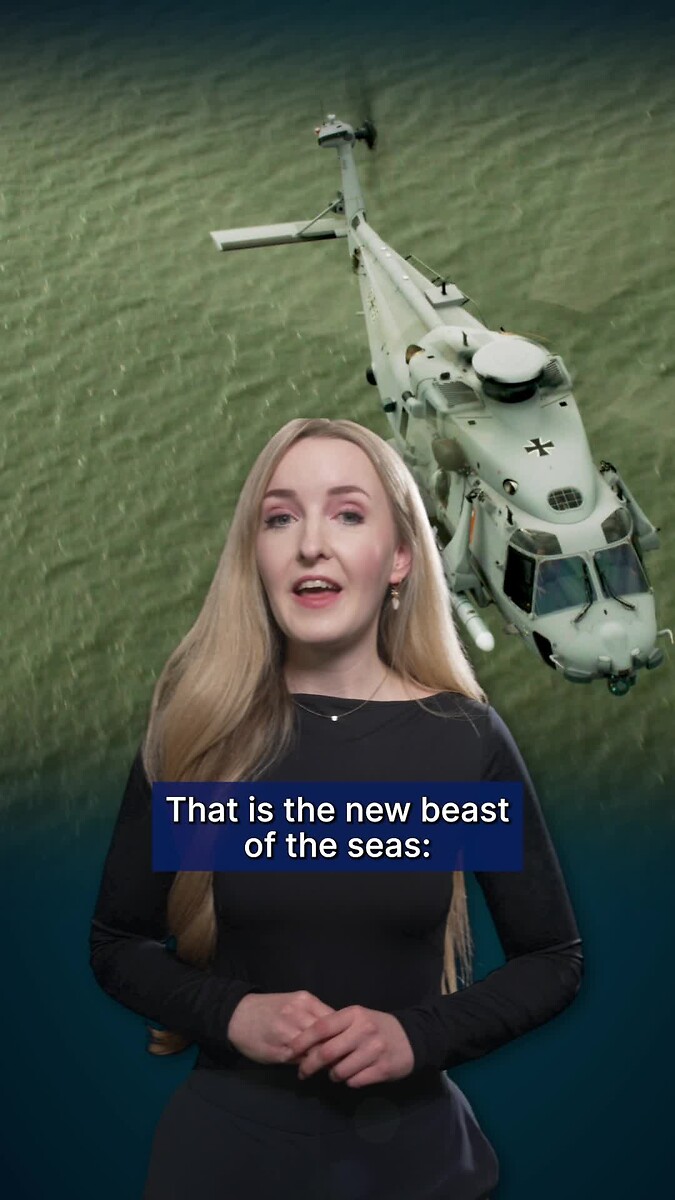 Five things you didn't know about the NH90 Sea Tiger
Five things you didn't know about the NH90 Sea Tiger
-
 INTRODUCING UAS
INTRODUCING UAS
-
 Tiger - Specialised for combat
Tiger - Specialised for combat
-
 AIRBUS_Why space matters for European defence
AIRBUS_Why space matters for European defence
-
 AIRBUS Systems of Insticts
AIRBUS Systems of Insticts
-
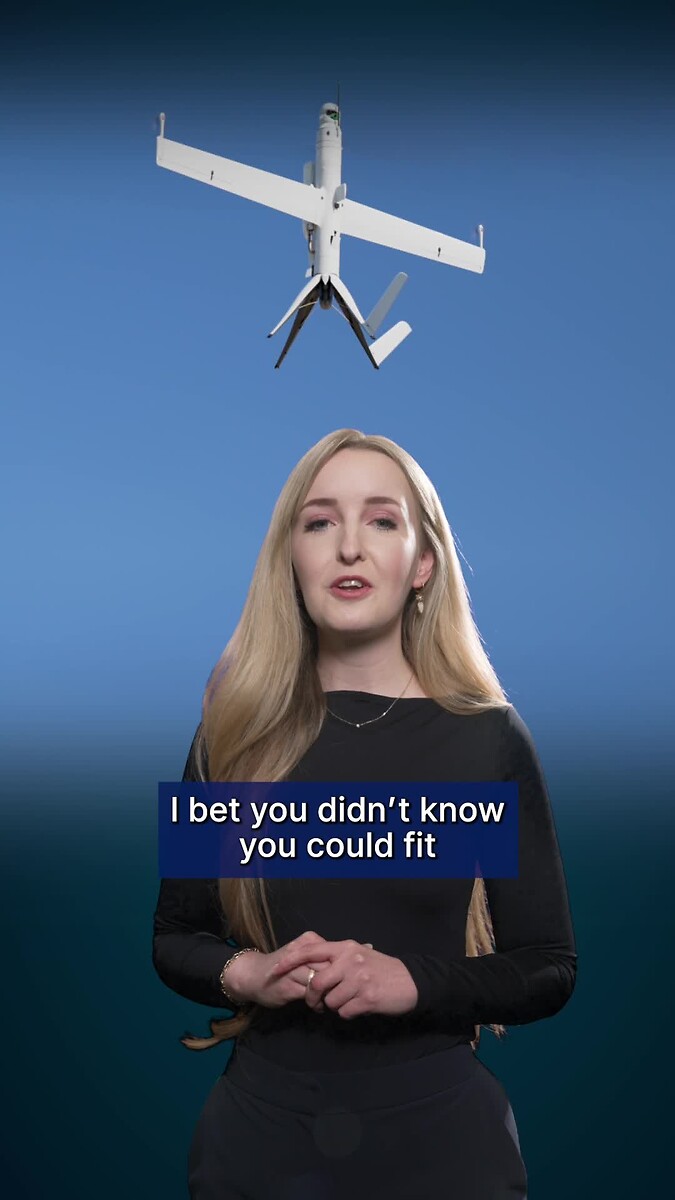 What is a UAS?
What is a UAS?
Media gallery
-


Defence Summit 2026 - Day 2
-


Defence Summit 2026 - Day 1 - Tornado
-


Defence Summit 2026 - Day 1- Primoco
-


Defence Summit 2026 - Day 2 - Eurofighter
-


Defence Summit 2026 - Day 2 - A330 MRTT
-


Defence Summit 2026 - Day 2


HTeaming in action
Your defence questions answered
FAQs
Does defence spending really matter? What does sovereignty entail? Get answers to frequently asked questions on defence.
Why is defence spending necessary?
Defence spending acts as an insurance policy for our way of life, enabling us to prevent crises and deter aggression, provide rapid relief wherever and whenever it is needed, and protect the infrastructure we rely on every day.
Furthermore, defence spending has a significant economic impact. Consider the European Union, for example. Defence expenditure accounts for around 2% of the EU’s GDP, and R&D spending was around €17 billion in 2025. This included significant investment in cutting-edge technologies such as AI, quantum, drone/counter-drone systems, and cyber defence.
Why is technological sovereignty important in defence?
Technological sovereignty is the key to ensuring independence. It means being able to rely on your own products, solutions and capabilities without the interference of other powers or the threat of a 'kill switch'. Homegrown defence solutions enable nations to act decisively and protect their values whenever needed.
Why should I pursue a career in defence?
A career in defence offers the chance to work on cutting-edge technologies that play a vital role in safeguarding our collective security. The defence sector is currently undergoing major transformations, from defining the future of military aircraft and rotorcraft to developing uncrewed systems and the software solutions that connect all of them. And you? You could play a key role in driving all of this.
Interested in pursuing a career in defence with Airbus? Then check out our job openings.
How does defence tech benefit my daily life?
Many of the technologies you interact with every day are the result of innovations driven by the defence sector. From navigation systems to the internet itself, they all have roots in defence research. It's as if you're benefiting from a huge incubator for the technologies of tomorrow. When a product can be used for both military and civilian purposes, it is referred to as 'dual-use'.
Why does space matter for our security?
You might not notice it, but space technology is a daily companion in modern life. Satellites are key enablers of communication and navigation, both for civilians and for our soldiers. Furthermore, Earth observation satellites provide valuable intelligence that armed forces use to stay on top of threats. Space is therefore a backbone of our security, as it renders our armed forces ready to act. At the same time, more and more powers are competing for dominance in the space domain, which is why we also have to protect our assets orbiting the Earth.
How do Uncrewed Aerial Systems (UAS) play a role in modern defence?
Uncrewed Aerial Systems (UAS), also known as drones, serve as essential partners to crewed platforms, handling high-risk surveillance and long-endurance missions to keep personnel out of harm's way. They provide a continuous digital picture of the battlefield, allowing for faster and more accurate decision-making.
Airbus defence products in action
-
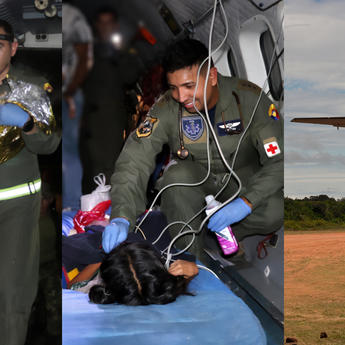
The C295 pilots' perspective: evacuating the missing children from the Colombian…
Web Story
Defence
Colombia’s military forces had agreed on the code to use if they found the four children who were lost in the jungle: “milagro”, which means “miracle”. On 9 June 2023, this code rang out four times… -

Europe's Watchmen: why the Lithuanian Border Guard chose the five-bladed Airbus H145
Web Story
Helicopters
-

Air policing in Romania: “With the Eurofighter we can respond at a moment's notice”
Web Story
Defence
-

A baptism of fire in Albania for Hungary's H225M helicopters and crew
Web Story
Helicopters
-
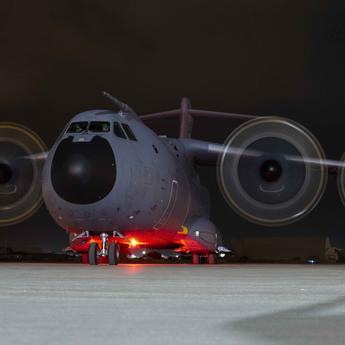
A400M in Sudan: Playing a crucial role in the evacuation of foreign citizens
Web Story
Defence


Discover more
-
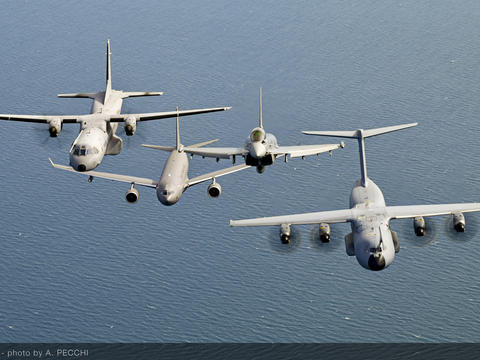
Defence
Explore Airbus world-class defence products: the Eurofighter Typhoon, A400M, C295, CN235, A330 MRTT and unmanned aerial systems…
-

Military helicopters
With some 19,000 helicopters delivered in 150 countries, Airbus Helicopters supplies almost one-third of the world’s rotorcraft…
-

Uncrewed Aerial Systems
Airbus UAS: Explore advanced uncrewed aerial systems for military, government and commercial missions, including combat, ISR, and…


