
Airbus Across America: Inside the Flexrotor facility in Bingen, Washington

In the Pacific Northwest, startup energy, engineering and craftsmanship come together to build the U030 Flexrotor - Airbus Helicopters’ long-endurance vertical takeoff and landing (VTOL) unmanned aerial system.
Crossing the narrow steel grate of the century-old Hood River-White Salmon Bridge, the landscape feels built for orchardists and windsurfers. But, just off the main road through Bingen, Washington, the rural gorge conceals a quiet concentration of drone tech. Here, companies like Airbus, Boeing (Insitu), and Overwatch AI operate within miles of one another, anchoring a fast-growing cluster for uncrewed aerospace.

Airbus U030 Flexrotor Mt. Hood
With the 2024 acquisition of startup Aerovel, Airbus established its footprint in Bingen and promptly reunited the Flexrotor teams under one roof in a brand-new, purpose-built facility. While the upgraded footprint scales up production, the site retains the nimble mindset that birthed the unmanned aerial system (UAS). Today, this facility produces the Flexrotor — an autonomous system built for long-endurance Intelligence, Surveillance, Target Acquisition, and Reconnaissance (ISTAR) missions where conventional aircraft can't go. The versatile and adaptable unmanned aircraft takes off and lands vertically without launching systems or recovery gear, easily deploying from remote land bases to small vessels battling rough seas.
Welcome to the floor
The Flexrotor begins to come to life at the site’s intake and kitting bays. Technicians sort incoming shipments down to the smallest parts, including tiny fasteners, specialized wiring harnesses, and lightweight structural components, organizing them into serialized kits for production.
Moving down the line, the UAS’s skeletal frame starts to take shape. Composite specialists and assembly technicians carefully layer and fit the aircraft's lightweight structure. There is a tactile art to working with these advanced materials, requiring steady hands, precise torque checks, and strict quality assurance at every stage of assembly.

Airbus Flexrotor facility in Bingen
Approaching the propulsion station, the technical intensity spikes. This is the most demanding step on the floor. Technicians work with near-surgical focus to balance delicate driveshafts, program custom carburetors, integrate specialized payloads, and fine-tune propulsion systems engineered for steep vertical takeoffs and transitions into long-range horizontal flight.

Airbus Flexrotor facility in Bingen, WA
Before rolling off the line, every completed Flexrotor undergoes rigorous bench testing and system checks. Over 275-300 hours of manual effort and technical skill culminate in a finished aircraft, ready to transition from the workshop to final flight testing and customer delivery.
Driven by passion, surrounded by nature
What stands out during a walkthrough isn’t just the machinery, it’s the people. From junior trainees to senior technicians, the team shares a clear passion for the Flexrotor’s unique capabilities and the real-world impact of their work. This collective energy has driven substantial growth, with the facility expanding from 30 employees upon acquisition to a workforce of over 100 today. The site continues to attract a wide range of talent, welcoming new mechanical, composite, and electrical technicians, mechanical and software engineers, program management coordinators, as well as sales, marketing, and support specialists.

Airbus Flexrotor facility in Bingen, WA
"What makes this facility and our people distinct within Airbus’ industrial footprint is our agility and connection to the product," said Sebastien Delmaire, Managing Director Airbus Flexrotor. "We have retained a disruptive mindset where every technician on the floor plays an active role in pushing autonomous innovation forward. When you see this aircraft flying over remote oceans or forests, detecting wildfires, you know the precision of your work on the floor is what keeps that mission in the air."
That drive on the shop floor connects directly to daily life in the Pacific Northwest. When the shift ends, team members swap out their tools and laptops for mountain bikes and kayaks, heading straight for the hills or waters of the Columbia River.
In Bingen, Airbus has successfully integrated this established end-to-end production line into its global network, supporting a dedicated team that continues to advance autonomous flight.
Looking ahead as production scales to meet growing demand, the facility will continue driving the future of long-endurance unmanned aviation right from its home in the Columbia River Gorge.
Meet the people behind the aircraft
-
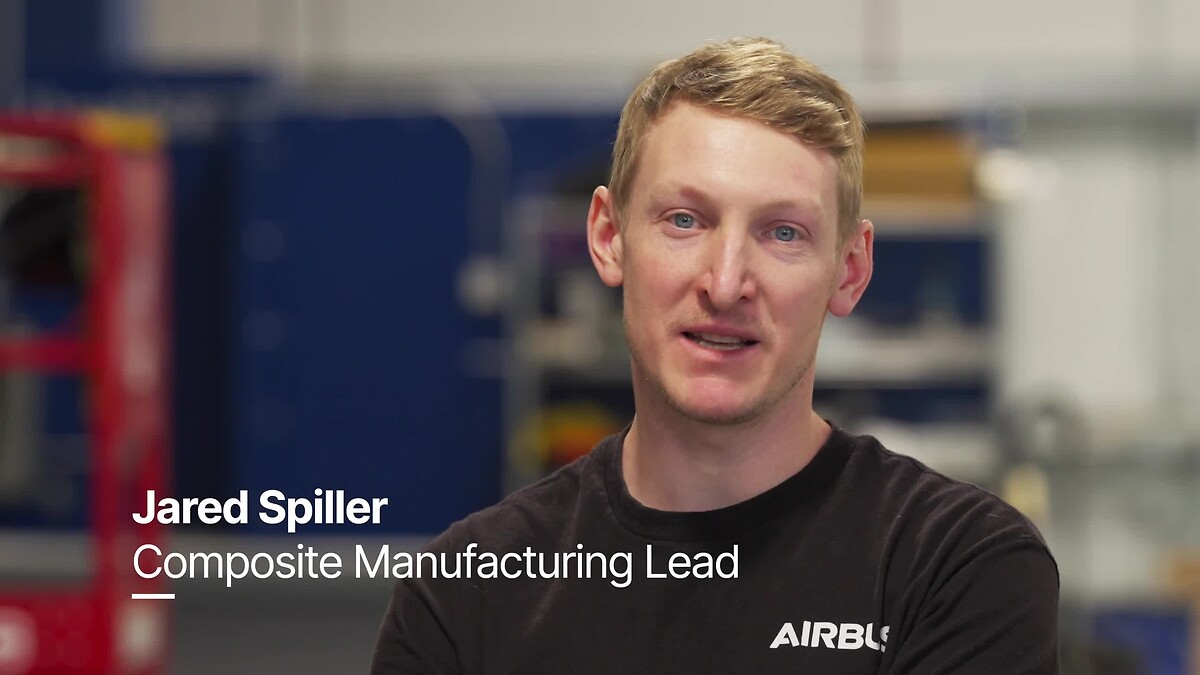
Jared Spiller, Composite manufacturing lead
-
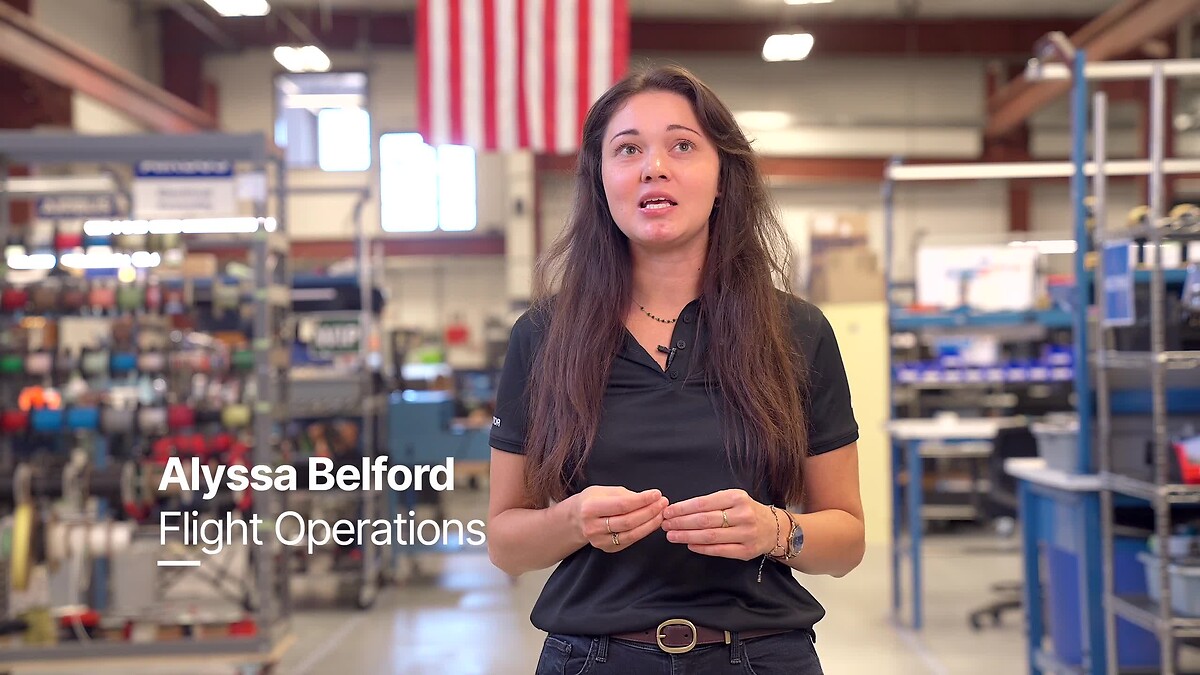
Alyssa Belford, Flight operations
-
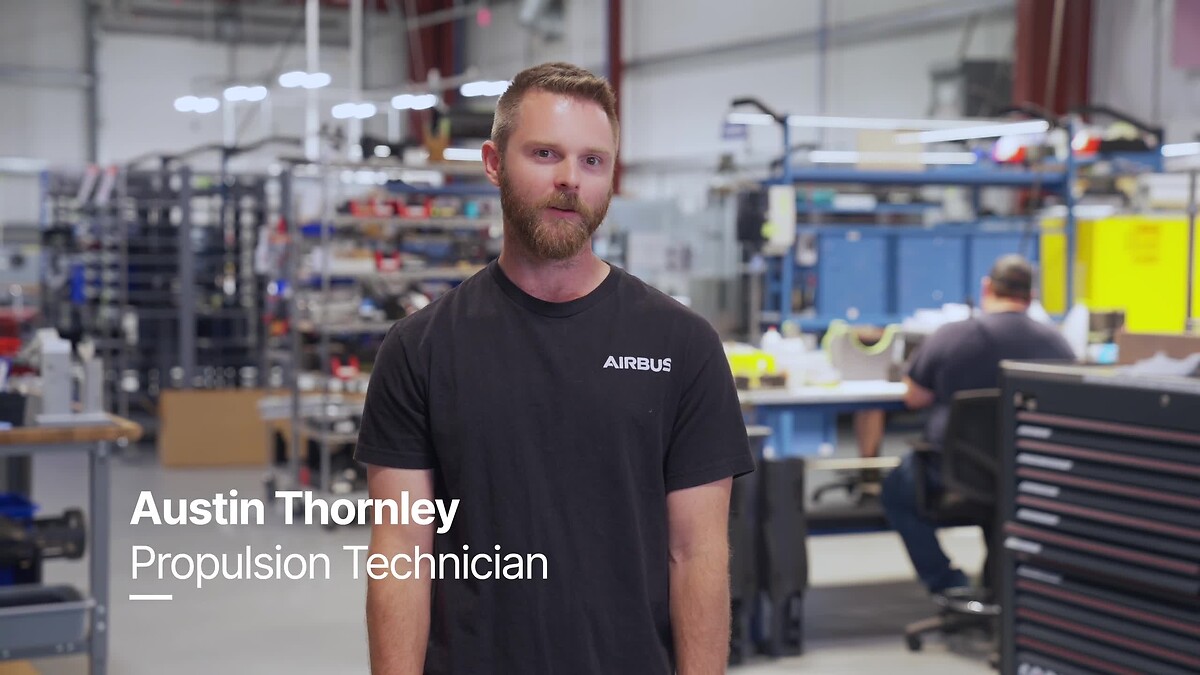
Austin Thornley, Propulsion technician
-
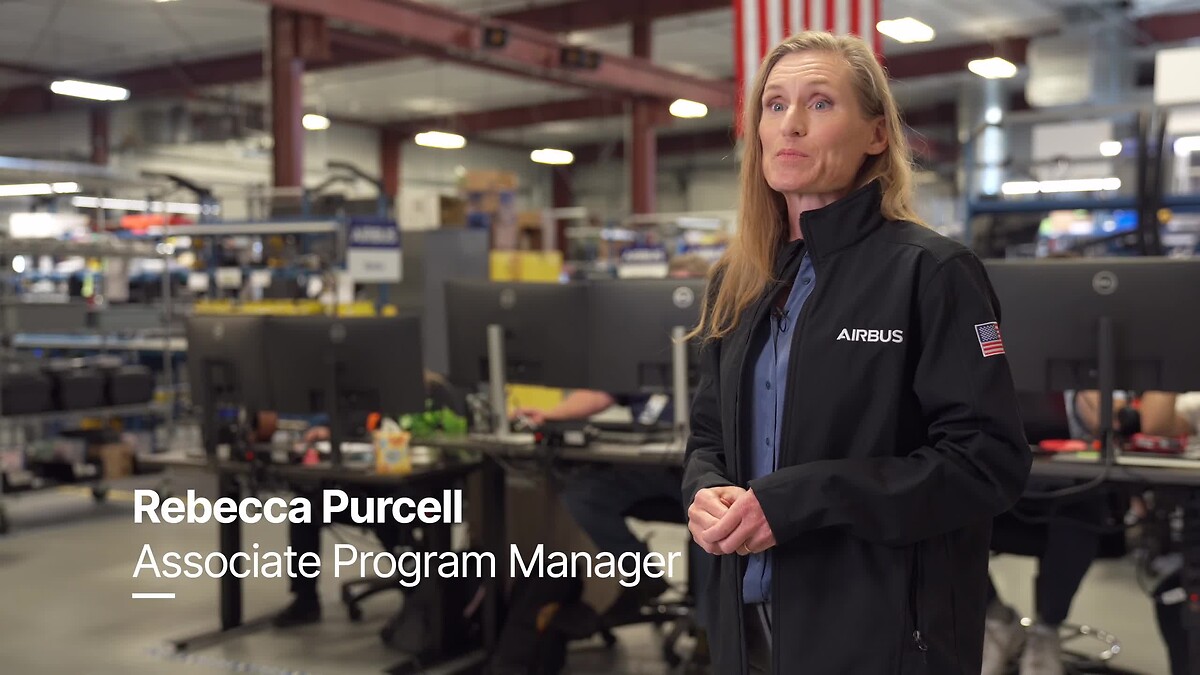
Rebecca Purcell, Associate program manager
-
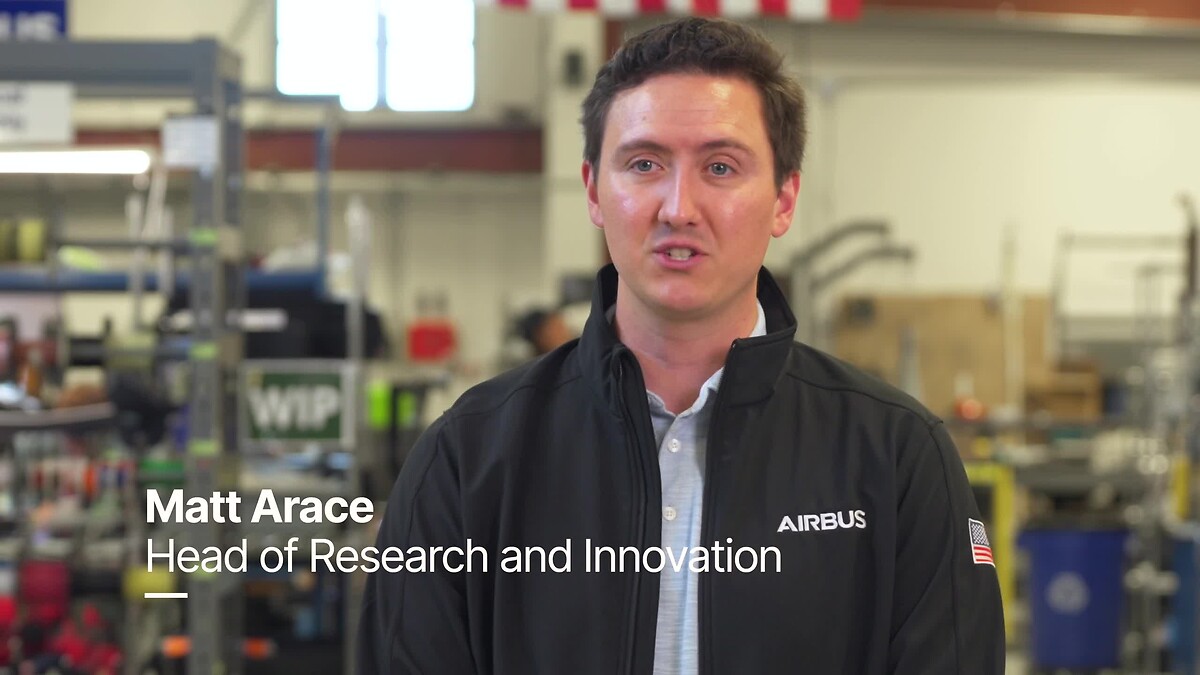
Matt Arace, Head of Research and Innovation
More about Airbus in the United States
-

Airbus in the United States
As the largest export customer of the U.S. aerospace industry, a growing team of 7,500+ at 40 U.S. sites delivers planes,…
-
Commercial Aircraft in the U.S.
Airbus has a strong presence in the United States through its various sites: Herndon, Miami, Washington D.C., Mobile, Wichita,…
-

Airbus Helicopters in the United States
Airbus Helicopters lead the US market for medical, rescue, police, law enforcement, tourism, utility, work, firefighting,…
-
Working at Airbus in the United States
Want to take part in shaping the aerospace of tomorrow? Our teams at Airbus US make it happen everyday!


The latest from Airbus in the United States
In the spotlight
-

A higher power to care
Web Story
Helicopters
ChristianaCare LifeNet enhances critical care transport with the new five-blade H145 helicopter, featuring advanced avionics and higher payload capacity. -

Team Mobile joins community to clean up Alabama coastline
Web Story
Commercial Aircraft
-

Airbus Helicopters inaugurates expanded Texas Blade Repair Shop for regional support
Web Story
Helicopters
-

Delta, Airbus host 160 girls in Mobile for 11th annual WING flight
Web Story
Commercial Aircraft
-

Flight Works Alabama, Airbus partner to expand STEAM access in South Alabama
Web Story
Commercial Aircraft
